

Woodland, Washington: Riverfront Living with Small-Town Character
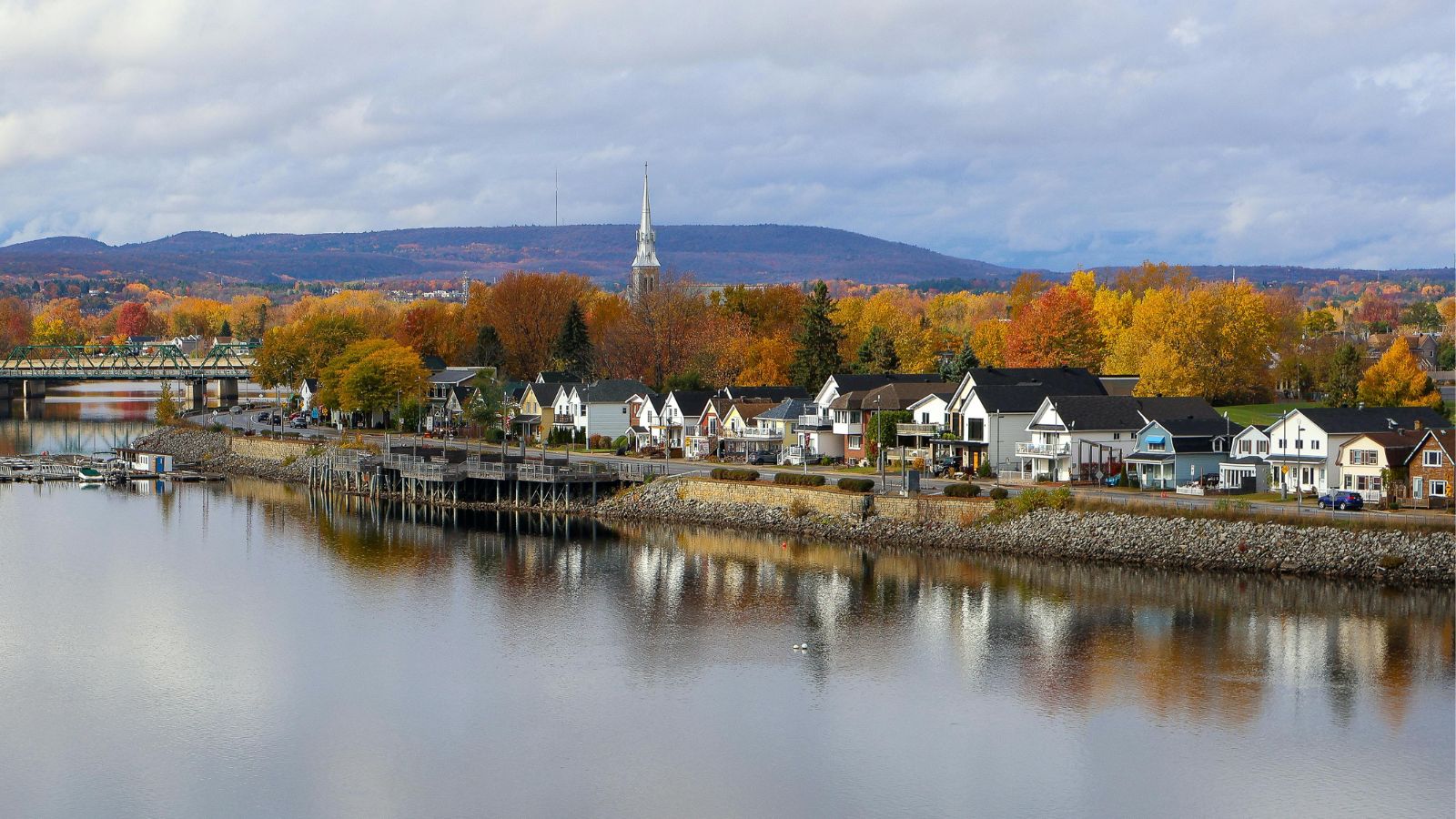
Woodland, Washington, offers a welcoming blend of scenic beauty, community connection, and everyday convenience. Located along the north bank of the Columbia River, this close-knit city provides residents with a peaceful setting while keeping larger employment and entertainment hubs within easy reach. Woodland is known for its friendly atmosphere, historic roots, and access to outdoor recreation that reflects the natural beauty of Southwest Washington. The downtown area maintains a small-town feel with locally owned businesses, casual dining, and community gathering spaces that encourage neighbors to connect. At the same time, steady growth has brought new housing options, improved infrastructure, and expanded amenities. Whether spending time along the river, attending local events, or enjoying the simplicity of daily life, Woodland offers an environment where people can feel settled and supported. It is a place that values its past while continuing to grow in thoughtful and measured ways, making it appealing to families, professionals, and retirees alike.
What Is the History of Woodland, Washington?
Woodland’s history is closely tied to the Columbia River, which served as a vital transportation and trade route long before the city was formally established. The area was originally home to Native American tribes who relied on the river’s abundant resources for fishing and commerce. In the mid-1800s, settlers arrived, drawn by fertile land and access to river travel. Woodland was officially incorporated in 1906 and developed into a small but important agricultural and logging community. Early industries centered on timber, farming, and river trade, shaping the town’s economic foundation and practical character.
As the Pacific Northwest grew, Woodland remained a steady and resilient community. The arrival of rail lines and improved roadways strengthened its role as a regional connector between rural areas and nearby cities. While many towns experienced rapid industrial expansion, Woodland grew at a more measured pace, allowing it to retain its close community ties and recognizable downtown core. Historic buildings and long-standing family businesses became fixtures of daily life, reinforcing a sense of continuity across generations.
In more recent decades, Woodland has experienced gradual residential growth as people seek quieter communities with access to larger job markets. Infrastructure improvements, new schools, and expanded services have supported this growth without erasing the city’s identity. Today, Woodland reflects a balance of heritage and progress. Its past as a river town and agricultural center remains visible, while thoughtful development ensures the community continues to meet the needs of modern residents.
Homes for Sale
What Is Life Like in Woodland, Washington?
Life in Woodland is defined by connection to nature, neighborly interactions, and a pace that allows people to enjoy their surroundings. Residents appreciate the ability to step outside and find river views, walking paths, and nearby parks without leaving town. Horseshoe Lake Park and the surrounding green spaces offer places for fishing, picnics, and quiet reflection. The Columbia River offers opportunities for boating and wildlife viewing, enhancing the everyday appeal of living in the area.
Downtown Woodland serves as a social hub where residents shop locally, dine at family-owned restaurants, and attend community events throughout the year. Seasonal festivals, parades, and farmers’ markets bring people together and reinforce the strong sense of local pride. The city’s size allows for meaningful connections, where familiar faces become part of daily routines. Families value the supportive environment, while professionals appreciate the ability to unwind after work in a setting that feels grounded and familiar.
Woodland also benefits from its proximity to larger cities such as Vancouver and Portland. Many residents commute for work while enjoying the calm of returning home each evening. This balance makes Woodland appealing to those who want access to urban opportunities without living in a busy metropolitan area. The lifestyle here emphasizes comfort, reliability, and a strong connection to place.
What Are the Best Neighborhoods in Woodland, Washington?
Woodland offers a range of neighborhoods that reflect its mix of historic charm and newer residential development. Each area provides its own atmosphere while maintaining the shared values that define the community.
Downtown Woodland: Homes near downtown place residents close to shops, restaurants, schools, and community events. This area features a mix of older homes with character and updated residences that reflect Woodland’s growth. Living downtown allows for walkability and easy access to daily essentials. Residents enjoy being near the heart of city activity while still benefiting from a relaxed environment. The neighborhood’s proximity to parks and river access adds to its appeal for those who enjoy being outdoors.
Horseshoe Lake Area: Centered around one of Woodland’s most popular parks, this neighborhood is valued for its scenic surroundings and quiet streets. Homes here often feature larger yards and easy access to walking paths, fishing spots, and picnic areas. The area attracts residents who enjoy outdoor recreation and a more peaceful residential setting. The sense of space and connection to nature make it a desirable option for families and retirees alike.
Columbia River North Bank: Neighborhoods along the river offer scenic views and a strong connection to Woodland’s natural environment. Homes in this area range from modest residences to larger properties designed to take advantage of the river setting. Residents enjoy watching river traffic, wildlife, and seasonal changes from their own neighborhoods. The peaceful atmosphere and unique location make this area especially appealing to those who value privacy and views.
Green Mountain Area: Located slightly outside the city center, the Green Mountain area offers a more rural residential feel while remaining within easy reach of Woodland amenities. Properties here often include larger lots and open surroundings. The neighborhood appeals to those seeking space, quiet, and a connection to the countryside. It is well-suited for residents who appreciate a slower pace without feeling isolated.
Newer Subdivisions Near I-5: Recent residential developments near Interstate 5 provide convenient access for commuters while offering modern home designs and updated infrastructure. These neighborhoods attract professionals and families who value efficient travel and contemporary living. The combination of convenience and comfort makes these areas a practical choice for many new residents.
Together, Woodland’s neighborhoods offer variety and choice, allowing residents to find a setting that fits their lifestyle while remaining part of a connected community.
What Schools Are in Woodland, Washington?
Woodland is served by the Woodland Public Schools district, which is known for its focus on student achievement and community involvement. The district includes several elementary schools that provide a supportive environment for early learning, emphasizing foundational skills, creativity, and positive classroom experiences. Woodland Middle School continues that focus by offering a balanced curriculum that supports academic growth, social development, and extracurricular participation.
Woodland High School serves as the district’s central secondary school and offers a range of academic and career-focused programs. Students have access to advanced coursework, career and technical education pathways, and extracurricular activities, including athletics, music, and student organizations. The school maintains strong ties to the community, encouraging student involvement and local support.
Private education options are available in nearby communities, providing additional choices for families seeking alternative educational settings. For higher education, Woodland’s location allows easy access to colleges and universities in Vancouver and Portland, including Clark College, Washington State University Vancouver, and Portland State University. These institutions offer a wide range of degree and certification programs. Woodland’s educational options support learners at every stage, from early childhood through higher education.
What Is the Weather Like in Woodland, Washington?
Woodland experiences a mild Pacific Northwest climate that supports year-round outdoor activity. The area averages approximately 155 sunny days each year, receives about 46 inches of rainfall, and sees minimal snowfall, averaging around 2 inches annually. Summers are warm and comfortable, with daytime highs typically in the 70s and occasional days reaching the low 80s. Evenings remain cool, making summer nights pleasant for outdoor gatherings and relaxation.
Autumn brings cooler temperatures and colorful foliage, with daytime highs ranging from the 60s to the low 70s. This season is popular for outdoor events, hiking, and enjoying the changing landscape along the river. Rainfall gradually increases, helping maintain the region’s greenery.
Winters in Woodland are generally mild, with temperatures often in the 40s and low 50s during the day. Snowfall is infrequent and usually light, allowing daily routines to continue with minimal disruption. Spring arrives with blooming trees, fresh growth, and temperatures climbing back into the 50s and 60s. The consistent rainfall during spring supports gardens and local agriculture. Overall, Woodland’s climate offers comfort and balance, contributing to its appeal as a place to live.
How Convenient Is Transportation in Woodland, Washington?
Transportation in Woodland is straightforward and efficient, making it easy for residents to travel locally and regionally. Interstate 5 runs directly through the city, providing quick access to Vancouver, Washington, and Portland, Oregon. This location makes Woodland especially appealing to commuters who work in larger cities but prefer living in a smaller community. State Route 503 also connects Woodland to nearby towns and rural areas.
Local roads are well-maintained, and the city’s layout makes navigation easy. While Woodland does not have an extensive public transit system, nearby transit options in Vancouver provide additional connectivity for regional travel. Many residents rely on personal vehicles for daily transportation, benefiting from manageable traffic levels and convenient highway access.
For air travel, Portland International Airport is approximately 40 minutes away and offers a wide range of domestic and international flights. This proximity supports both business and leisure travel without the need for lengthy drives. Woodland’s transportation options balance convenience with simplicity, reinforcing its role as a well-connected yet comfortable place to call home.
Are You Ready to Call Woodland Home?
Woodland, Washington, offers a thoughtful blend of riverfront beauty, community connection, and everyday convenience. Its welcoming neighborhoods, strong schools, and accessible location create an environment where residents can settle in and feel supported. Life here moves at a comfortable pace while still offering access to regional opportunities and amenities. Whether drawn by the natural surroundings, the sense of community, or the balance between small-town living and modern access, Woodland continues to attract those seeking a place that feels steady and inviting. If you are considering a move to Southwest Washington, Woodland is worth exploring. When you are ready to learn more about available homes or take the next step, reach out to me to begin your Woodland home search.