

Preparing a home for sale often raises one important question: how to increase value in a way that attracts buyers and supports a strong price. The most effective improvements focus on condition, presentation, and buyer perception rather than expensive overhauls that may not deliver a return. Buyers form opinions quickly, and the homes that feel cared for, updated, and easy to move into tend to stand out. Strategic updates can help reduce objections, shorten time on market, and create confidence during negotiations. Understanding where value is created allows sellers to invest time and money wisely, prioritizing improvements that align with buyer expectations in today’s market.
How Does Curb Appeal Influence a Home's Value?
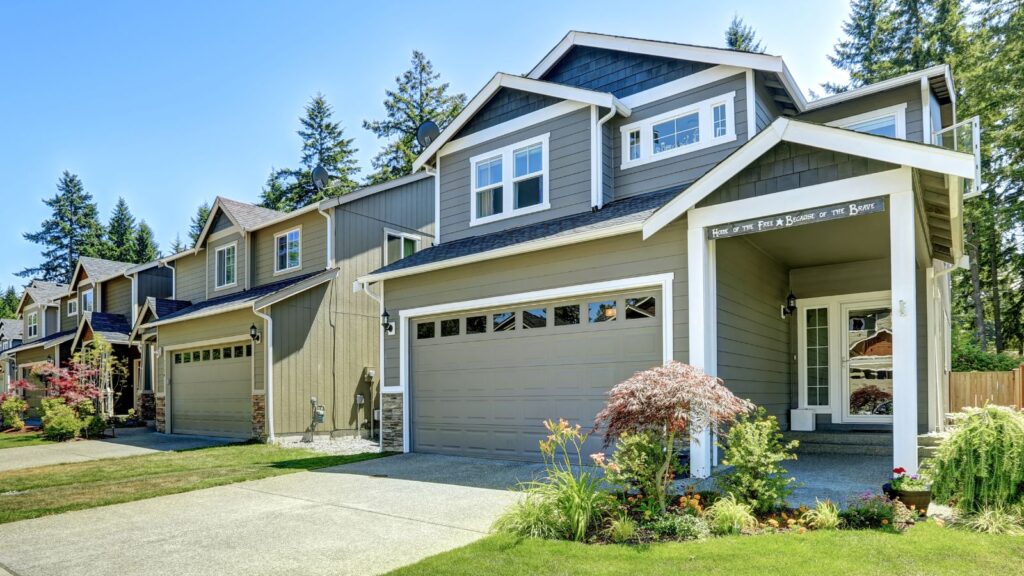
Curb appeal directly influences a buyer’s perception of value because it forms the first impression before anyone steps inside. A home that looks well-maintained from the street signals care, pride of ownership, and reduced risk, which immediately affects how buyers interpret the price. Simple exterior improvements often provide one of the strongest returns because they set expectations for the entire showing experience.
Landscaping plays a major role in this first impression. Fresh mulch, trimmed shrubs, edged walkways, and a healthy lawn help a property feel intentional and welcoming. These updates do not need to be elaborate, but they should look clean and cohesive. Dead plants, overgrown hedges, or bare patches in the yard can create doubt about how well the home has been maintained overall. Buyers often associate exterior neglect with potential interior issues, even when that assumption is not accurate.
The condition of the front door, siding, and visible trim also matters. A freshly painted front door in a neutral or classic color adds warmth and personality while remaining broadly appealing. Power washing siding, walkways, and driveways can dramatically refresh a home’s look without a major investment. Outdoor lighting that works properly and highlights entry points improves both safety and visual appeal, especially for evening showings.
Curb appeal sets the tone for how buyers evaluate everything that follows. When the exterior feels polished and inviting, buyers walk inside with a more generous mindset. That emotional readiness often translates into stronger interest, better offers, and fewer value-related objections during negotiations.
Which Interior Updates Deliver the Best Return?
Interior updates deliver the best return when they improve function, freshness, and visual consistency without overwhelming buyers with highly personalized choices. The goal is to help buyers imagine living in the space comfortably while minimizing distractions that could lower perceived value. Small, thoughtful improvements often outperform major renovations when it comes to resale impact.
Fresh paint is one of the most effective updates a seller can make. Neutral, light colors help rooms feel larger, brighter, and cleaner, while also appealing to a wide range of tastes. Paint can cover scuffs, outdated colors, and minor wall imperfections, making the home feel move-in ready. Consistency matters, as using a cohesive palette throughout the home creates flow and reduces visual noise.
Flooring condition strongly affects buyer perception. Worn carpet, damaged laminate, or heavily scratched hardwood can make a home feel dated or neglected. Replacing old carpet with neutral options or refinishing hardwood floors can elevate the entire interior. If replacement is not feasible, professional cleaning and minor repairs can still significantly improve presentation.
Lighting is another area where simple changes add value. Replacing outdated fixtures with clean, modern styles can instantly update a room. Ensuring all bulbs are working and that lighting is warm and consistent throughout the home creates a welcoming atmosphere. Buyers notice spaces that feel bright and balanced, and good lighting helps highlight a home’s best features while reducing the appearance of flaws.
Why Kitchen Improvements Matter So Much to Buyers
Kitchen improvements matter because the kitchen is often viewed as the heart of the home and a major factor in purchase decisions. Buyers tend to evaluate kitchens closely, associating them with daily living, entertaining, and long-term functionality. Even modest updates in this space can have a strong impact on perceived value.
Full kitchen remodels are not always necessary to attract buyers. Instead, targeted improvements often provide a better return. Painting cabinets, replacing dated hardware, or updating the faucet can modernize the space without the cost of replacement cabinetry. Clean lines and neutral finishes help the kitchen feel current and versatile.
Countertops and backsplashes also influence buyer impressions. If existing surfaces are in good condition but look dated, professional cleaning or minor updates can help. In some cases, replacing laminate countertops with entry-level stone or solid surface materials can elevate the kitchen’s appeal. The key is to choose materials that align with the home’s price range and neighborhood expectations.
Appliances matter, but uniformity is more important than luxury. Matching appliances in a neutral finish creates a cohesive look. Buyers appreciate appliances that appear well-maintained and reasonably modern, even if they are not high-end brands. A kitchen that feels clean, functional, and updated encourages buyers to focus on the home’s strengths rather than potential renovation costs, which supports stronger offers.
How Do Bathrooms Affect Overall Home Value?
Bathrooms affect overall home value because they are closely associated with comfort, cleanliness, and daily routines. Buyers often view bathrooms as expensive to update, so dated or poorly maintained spaces can quickly become sticking points during showings and negotiations. Improving bathrooms helps reduce buyers’ perceived future costs.
Like kitchens, bathrooms benefit from targeted updates rather than full renovations. Replacing outdated fixtures such as faucets, showerheads, and towel bars can instantly refresh the space. These updates are relatively affordable and signal that the home has been kept current. Neutral finishes tend to appeal to more buyers and create a timeless look.
Vanities and mirrors also influence perception. If a vanity is worn or outdated, replacing it with a simple, modern option can improve both storage and style. Updated mirrors or lighting fixtures add brightness and create a more polished feel. Even small bathrooms can feel more spacious with proper lighting and reflective surfaces.
Cleanliness is especially important in bathrooms. Re-grouting tile, replacing stained caulk, and ensuring that all surfaces are spotless make a strong impression. Buyers tend to scrutinize bathrooms closely, and visible wear can raise concerns about moisture issues or deferred maintenance. A bathroom that feels fresh, clean, and functional reassures buyers and enhances the home’s overall value.
Does Maintenance and Repair Really Impact Sale Price?
Maintenance and repair significantly impact the sale price because buyers expect a home to be structurally sound and free of obvious issues. Deferred maintenance can lead buyers to assume larger, hidden problems even when they do not exist. Addressing repairs before listing helps protect value and reduces the likelihood of price reductions or repair negotiations later.
Common maintenance items such as leaky faucets, squeaky doors, cracked tiles, and damaged trim should be addressed before the home goes on the market. These issues may seem minor, but buyers notice them during showings and inspections. A collection of small problems can create the impression that the home has not been cared for consistently.
Mechanical systems also play a role in buyer confidence. Ensuring that heating, cooling, plumbing, and electrical systems are in good working order reduces uncertainty. Servicing major systems and keeping records available can reassure buyers and demonstrate responsible ownership. While replacing systems is not always necessary, knowing they are functioning properly helps avoid last-minute surprises.
Proactive maintenance supports smoother transactions. Homes that present well and inspect cleanly often attract stronger offers and face fewer hurdles during escrow. Buyers are more willing to pay a premium for a home that feels reliable and well-maintained because it reduces stress and future expenses.
How Does Decluttering and Staging Increase Perceived Value?
Decluttering and staging increase perceived value by helping buyers visualize the home as a space they can comfortably occupy. Excess belongings, oversized furniture, and personal items can make rooms feel smaller and distract from architectural features. A clean, thoughtfully staged home allows buyers to focus on layout, flow, and potential.
Decluttering begins with removing unnecessary items from surfaces, closets, and storage areas. Buyers often open closets and cabinets, and overcrowded storage can signal that the home lacks space. Reducing contents creates the impression of ample storage and organization. Neutralizing personal decor also helps buyers imagine their own style in the home.
Staging does not always require professional services, although professional staging can be beneficial in some cases. Rearranging furniture to improve traffic flow, removing bulky pieces, and adding simple accents can make rooms feel more inviting. Strategic furniture placement highlights the room’s purpose and helps buyers understand how spaces function.
Well-staged homes tend to photograph better, which increases online interest and foot traffic. Strong first impressions online often translate into more showings and competitive offers. By presenting the home in its best possible light, decluttering and staging support both perceived value and marketability.
Are Energy Efficiency Upgrades Worth It Before Selling?
Energy efficiency upgrades can be worth it before selling when they align with buyer expectations and provide clear benefits. Buyers increasingly value lower utility costs and greater comfort, especially in regions with extreme temperatures. Highlighting energy-efficient features can set a home apart from others on the market.
Simple upgrades such as sealing drafts, adding insulation where accessible, and installing a programmable thermostat can improve efficiency without major expense. These improvements may not be immediately visible, but they contribute to overall comfort and can be emphasized during marketing and showings.
Windows and doors also affect efficiency and buyer perception. If existing windows are old but functional, ensuring they operate properly and look clean can still make a positive impression. Full window replacement is not always necessary, but addressing obvious issues such as broken seals or damaged frames is important.
Energy efficiency upgrades should be practical and proportional to the home’s value. Buyers appreciate features that reduce ongoing costs, but they also expect those features to make sense within the home’s price range. When positioned correctly, energy efficiency supports value by appealing to buyers who prioritize long-term affordability and comfort.
How Does Neutralizing Design Help Attract More Buyers?
Neutralizing design helps attract more buyers by creating a versatile backdrop that appeals to a wide range of tastes. Bold colors, highly specific design choices, and personalized finishes can limit buyer interest by making it harder for buyers to imagine themselves in the space. Neutral design encourages emotional connection without distraction.
This does not mean removing all character from the home. Instead, it means balancing personality with broad appeal. Neutral wall colors, simple window treatments, and classic finishes allow architectural features to stand out. Buyers tend to respond positively to spaces that feel calm, cohesive, and easy to personalize.
Neutral design also improves consistency throughout the home. When rooms flow visually from one to the next, the home feels more intentional and well planned. This sense of cohesion contributes to perceived quality and value. Buyers often interpret visual harmony as a sign of thoughtful upkeep.
By reducing visual barriers, neutral design expands the pool of interested buyers. A home that appeals to more people is more likely to receive multiple offers, which can support a higher final sale price.
Can Pre-Listing Preparation Reduce Negotiation Pressure?
Pre-listing preparation can reduce negotiation pressure by addressing potential concerns before buyers raise them. Homes that show well, inspect cleanly, and feel move-in ready give buyers fewer reasons to ask for concessions. This preparation helps protect the seller’s position during negotiations.
Preparation includes repairs, cleaning, staging, and gathering documentation related to maintenance and upgrades. Being proactive signals transparency and confidence. Buyers often feel more comfortable making strong offers when they believe the seller has taken care of the home responsibly.
When fewer issues arise during inspections, negotiations tend to stay focused on price rather than repairs. This can save time and reduce stress for all parties involved. Buyers are less likely to request credits or price reductions when they feel the home meets their expectations.
Thoughtful preparation supports a smoother transaction from listing to closing. By anticipating buyer concerns and addressing them early, sellers create an environment where value is clear, and negotiations are more straightforward.
Ready to Position Your Home for a Strong Sale?
Increasing home value before selling is about making smart, targeted choices that align with buyer expectations and market conditions. From curb appeal and interior updates to maintenance, staging, and preparation, each improvement contributes to how buyers perceive the home and its price. When these elements work together, the home feels cared for, functional, and inviting, which supports stronger offers and smoother negotiations. If you are preparing to sell and want guidance on which improvements will make the most sense for your home, reach out to me to talk through your next steps and position your property confidently in today’s market.