

Vancouver, Washington: Historic Foundations and Modern Riverfront Living
Vancouver, Washington, is a city shaped by history, natural beauty, and steady growth. Located on the north bank of the Columbia River, just across from Portland, Vancouver offers the advantages of a well-connected metro area while maintaining its own identity. Residents enjoy a lifestyle that blends outdoor recreation, established neighborhoods, and expanding dining and cultural options. The city appeals to a wide range of people, from professionals and families to retirees, thanks to its accessibility, variety of housing options, and strong community spirit. Vancouver continues to evolve while preserving the elements that have long defined it, making it an appealing place to call home.
What Is the History of Vancouver, Washington?
Vancouver is one of the oldest continuously inhabited areas in the Pacific Northwest, with a history that reaches back centuries before statehood. Indigenous peoples lived along the Columbia River long before European arrival, using the river for food, trade, and transportation. In 1825, the Hudson’s Bay Company established Fort Vancouver, which quickly became a major economic and cultural center for the region. The fort served as a headquarters for fur trading operations and influenced settlement patterns throughout what would later become Washington and Oregon.
As the 19th century progressed, Vancouver transitioned from a trading post into a permanent settlement. The growth of river transportation and the arrival of railroads strengthened the city’s role as a regional hub. Vancouver became an important military center with the establishment of the Vancouver Barracks, which supported U.S. Army operations for decades. These developments brought workers, families, and businesses, helping the city expand beyond its original boundaries.
During World War I and World War II, Vancouver experienced significant growth due to military activity and shipbuilding industries along the Columbia River. The postwar years brought residential expansion, infrastructure improvements, and economic diversification. Over time, Vancouver shifted from an industrial center to a more balanced city with residential neighborhoods, commercial districts, and civic institutions. Today, historic landmarks such as Fort Vancouver National Historic Site stand alongside revitalized areas and new developments, reflecting a city that honors its past while continuing to move forward.
Homes for Sale
What Is Life Like in Vancouver, Washington?
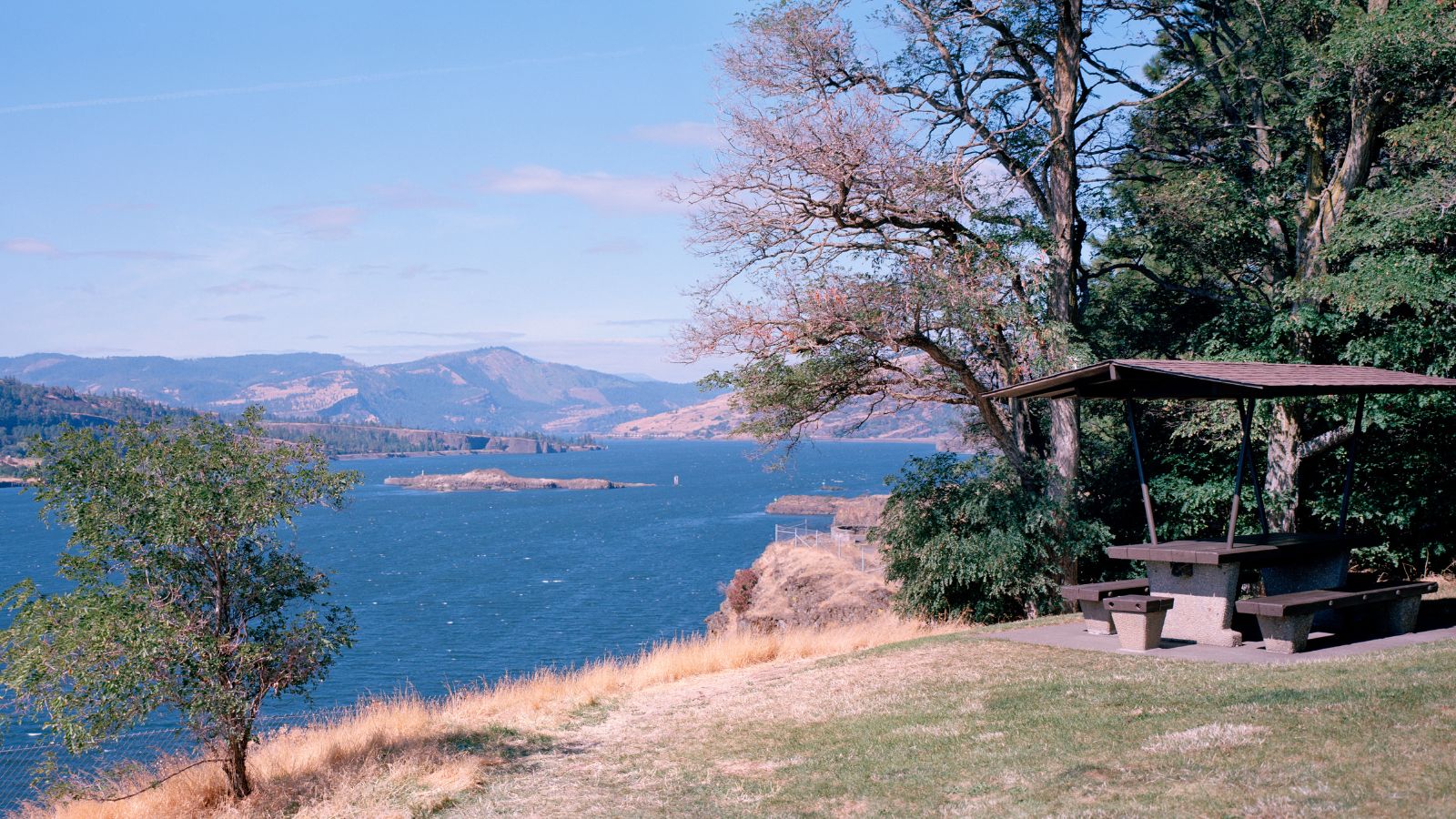
Life in Vancouver offers a mix of everyday comfort and access to outdoor and cultural experiences. The Columbia River plays a central role in the city’s lifestyle, providing scenic views, walking paths, and opportunities for boating, fishing, and recreation. The Vancouver Waterfront has become a focal point for residents, featuring trails, public spaces, restaurants, and gathering areas that encourage year-round connection and activity.
The city supports a growing local dining and shopping scene. Downtown Vancouver features independent restaurants, cafés, breweries, and small shops, while larger commercial areas provide access to national retailers and essential services. Arts and culture are part of daily life, with galleries, theaters, and community events held throughout the city. Seasonal festivals, farmers’ markets, and outdoor concerts offer neighbors opportunities to gather and celebrate local culture.
Outdoor recreation extends beyond the riverfront. Vancouver offers numerous parks, sports fields, and trail systems, along with easy access to nearby destinations such as the Columbia River Gorge and Cascade Mountains. Many residents enjoy weekend trips for hiking, skiing, or scenic drives, then return home to a quieter residential setting. With its blend of activity, accessibility, and community connection, Vancouver provides a lifestyle that feels well-rounded and welcoming.
What Are the Best Neighborhoods in Vancouver, Washington?
Vancouver features a diverse collection of neighborhoods, each offering its own setting, housing styles, and lifestyle advantages. From historic areas to newer master-planned communities, the city provides options to suit a wide range of preferences.
Downtown Vancouver: Downtown Vancouver serves as the city’s historic and cultural core. The area features a mix of restored older homes, modern condominiums, and apartments within walking distance of shops, restaurants, and the riverfront. Residents appreciate the walkability, access to Esther Short Park, and proximity to community events and farmers’ markets. Downtown living appeals to those who enjoy being close to activity, dining, and public spaces while remaining connected to the rest of the city.
Felida: Located in northwest Vancouver, Felida is known for its established residential feel and well-maintained homes. The neighborhood features larger lots, tree-lined streets, and access to local parks and schools. Residents value the quieter atmosphere while still being close to shopping, dining, and major roadways. Felida appeals to those seeking a suburban setting with strong neighborhood pride and long-term stability.
Fisher’s Landing: Fisher’s Landing is a well-developed area in East Vancouver that offers convenience and variety. The neighborhood includes a mix of single-family homes, townhomes, and apartments, along with nearby shopping centers, restaurants, and medical facilities. Its location near major roadways makes commuting straightforward, and local parks and schools add to its appeal for families and professionals.
Hazel Dell: Hazel Dell is a long-established area just north of downtown Vancouver. The neighborhood features a wide range of housing options, from mid-century homes to newer developments. Residents appreciate the central location, access to services, and community-focused atmosphere. Hazel Dell continues to attract those seeking convenience, affordability, and proximity to downtown Vancouver and the surrounding areas.
Salmon Creek: Salmon Creek is a popular area in north Vancouver known for its residential neighborhoods, medical facilities, and access to outdoor spaces. The area is home to Washington State University Vancouver, adding an academic presence to the community. Residents enjoy nearby parks, trail systems, and easy access to Interstate 5. Salmon Creek appeals to families, professionals, and retirees seeking a comfortable setting with strong amenities.
Together, these neighborhoods reflect Vancouver’s range and adaptability. Whether someone prefers an urban setting, a quiet residential area, or a balance of both, Vancouver offers options that support a variety of lifestyles.
What Schools Are Available in Vancouver, Washington?
Vancouver is served by several public school districts, providing families with a range of educational opportunities. Vancouver Public Schools is the largest district in the city and includes numerous elementary, middle, and high schools. The district offers academic programs, career and technical education pathways, and extracurricular activities designed to support diverse student interests and goals. Schools such as Columbia River High School and Skyview High School are known for strong academic offerings and involvement in athletics and the arts.
Evergreen Public Schools serves parts of East Vancouver and the surrounding areas. The district emphasizes student achievement, technology integration, and college and career readiness. Families in this district benefit from modern school facilities and a variety of specialized programs. Private and faith-based schools are also available throughout the city, offering additional options for families seeking alternative educational environments.
Higher education also plays a role in Vancouver’s educational landscape. Washington State University Vancouver offers undergraduate and graduate programs in business, education, engineering, and health sciences. Clark College, a community college located near downtown, offers associate degrees, workforce training, and transfer programs. These institutions contribute to the city’s educational resources and allow residents to pursue higher learning close to home.
What Is the Weather Like in Vancouver, Washington?
Vancouver experiences a mild Pacific Northwest climate characterized by moderate temperatures and defined seasons. The area averages about 160 sunny days per year and about 42 inches of rainfall. Snowfall is relatively limited, averaging around 4 inches per year, and significant winter storms are uncommon.
Summers in Vancouver are warm and comfortable, with average daytime highs typically in the upper 70s to low 80s. Lower humidity and cooler evenings make outdoor activities enjoyable throughout the season. Residents often take advantage of the weather by spending time at parks, riverfront trails, and nearby natural areas.
Fall brings cooler temperatures and changing foliage, with daytime highs generally ranging from the 50s to 70s. Winter months are mild compared to many parts of the country, with temperatures often staying in the 40s and low 50s. Rain is more frequent during this season, supporting the region’s greenery. Spring arrives with blooming trees, longer days, and temperatures climbing back into the 50s and 60s. Vancouver’s climate supports year-round outdoor activity and contributes to the city’s appeal.
How Easy Is Transportation in Vancouver, Washington?
Transportation in Vancouver offers strong regional connectivity and practical local access. Interstate 5 runs directly through the city, providing a primary route north toward Seattle and south into Portland. Interstate 205 serves as an additional corridor, offering an alternative route across the Columbia River and access to eastern parts of the metro area. These highways make commuting and regional travel efficient for residents.
Public transportation is provided by C-TRAN, Clark County‘s transit system. Bus routes connect neighborhoods throughout Vancouver and offer service into Portland, including express routes and connections to light rail stations on the Oregon side of the river. These options support commuters and residents who prefer alternatives to driving.
For air travel, Portland International Airport is approximately 15 minutes from central Vancouver and offers domestic and international flights. The city also continues to invest in pedestrian and bicycle infrastructure, including sidewalks, bike lanes, and multi-use paths. With its combination of highways, public transit, and proximity to a major airport, Vancouver provides convenient transportation options for daily life and long-distance travel.
Are You Ready to Call Vancouver Home?
Vancouver, Washington, offers a lifestyle shaped by history, access, and natural beauty. The city’s neighborhoods, schools, parks, and transportation options support a wide range of needs and preferences. Whether drawn to riverfront living, established residential areas, or proximity to regional opportunities, many people find Vancouver a place that fits both current needs and future plans. Its steady growth, community focus, and connection to the broader Pacific Northwest make it an appealing choice. When you are ready to explore homes in Vancouver or learn more about specific neighborhoods, reach out to me for guidance and local insight.